%201.png)
Industries / Utilities & Critical Infrastructure
Site intrusion, metal theft and after-hours vulnerability don't wait for the next scheduled visit to an unstaffed site. We identify the root causes of security vulnerabilities across your network, then design practical solutions that protect assets, continuity of supply and compliance without adding unnecessary complexity.
Most utilities and critical infrastructure security challenges fall into six categories: remote and unstaffed site vulnerability, metal and cable theft, perimeter and access control across dispersed sites, vandalism and sabotage risk, regulatory compliance obligations, and inconsistent standards across a large geographic footprint.

Many substations, depots and treatment plants operate unstaffed for most of the day, so an intrusion can go undetected for hours without the right monitoring in place.

Copper theft from substations and telecommunications infrastructure is a well-documented, ongoing problem in Australia, with real incidents running into hundreds of thousands of dollars in losses and network disruption

Forklifts, loading zones, night shifts and manual handling make distribution sites some of the highest-risk workplaces to get security and safety wrong.

Critical infrastructure sites are visible, sometimes symbolic targets, and damage to equipment can affect continuity of supply to the communities that depend on it, not just the asset itself.

Entities responsible for critical infrastructure assets carry positive security obligations under the Security of Critical Infrastructure Act 2018, including a board-approved, all-hazards risk management program — physical security has to be part of that picture.

A different security standard, provider or response time at every site makes risk harder to see clearly across a network and harder to report on for compliance purposes.
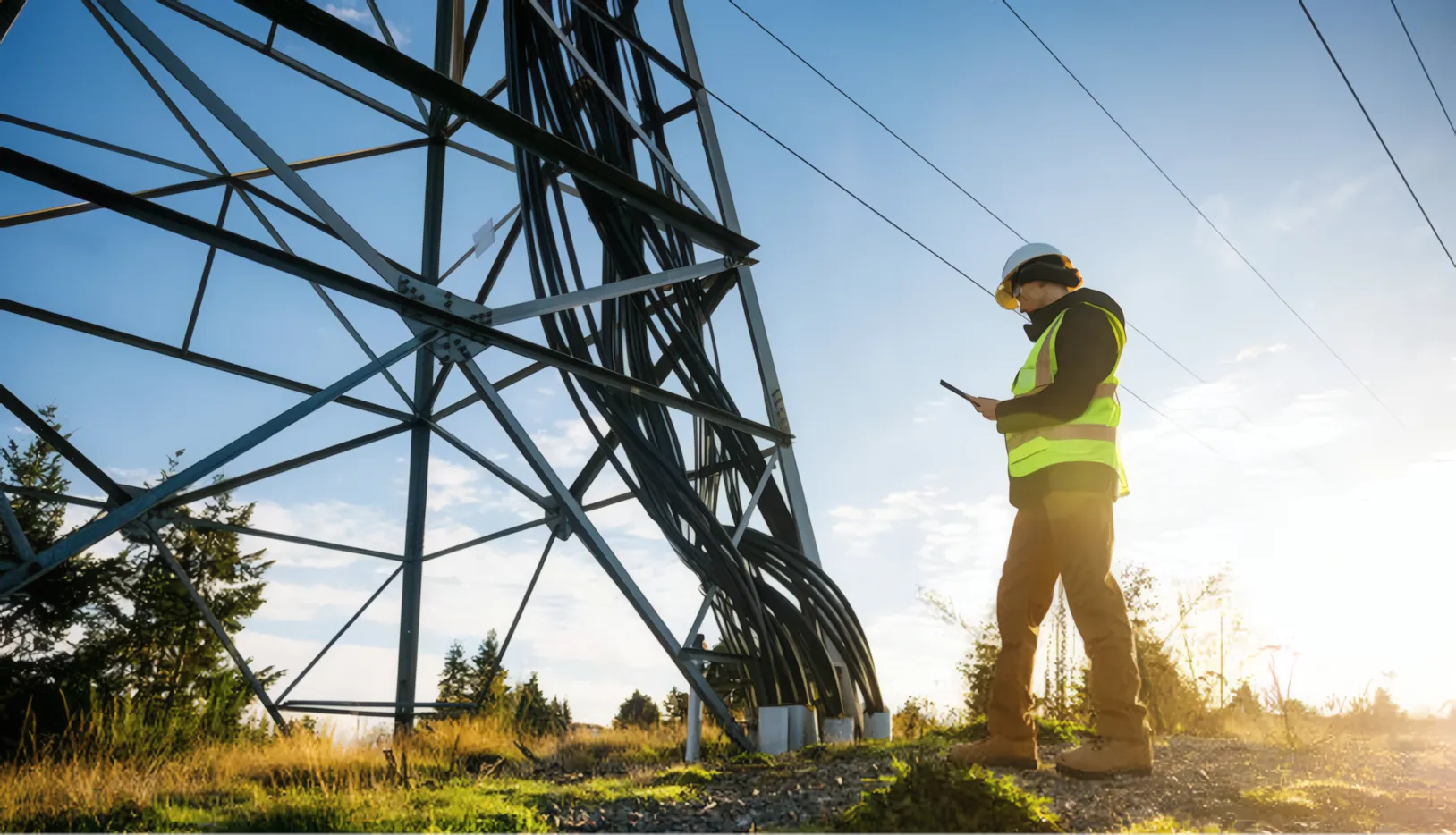
Most incidents at utility and infrastructure sites are not the result of a single dramatic breach. They develop when remote sites are visited on a schedule rather than monitored continuously, when perimeter security relies on fencing and signage alone without detection or response behind it, and when a large, dispersed network is secured site by site rather than as one coordinated system. Over time, these gaps show up as theft and intrusion that isn't discovered until a scheduled visit or an outage forces attention.
Utilities can't staff every site permanently, and can't justify a security response heavy enough for a worst-case scenario at every single location across a large network. Any approach has to satisfy operations, compliance, budget and often multiple regional stakeholders at the same time, while meeting obligations under critical infrastructure legislation that a generic security contract wasn't built around.
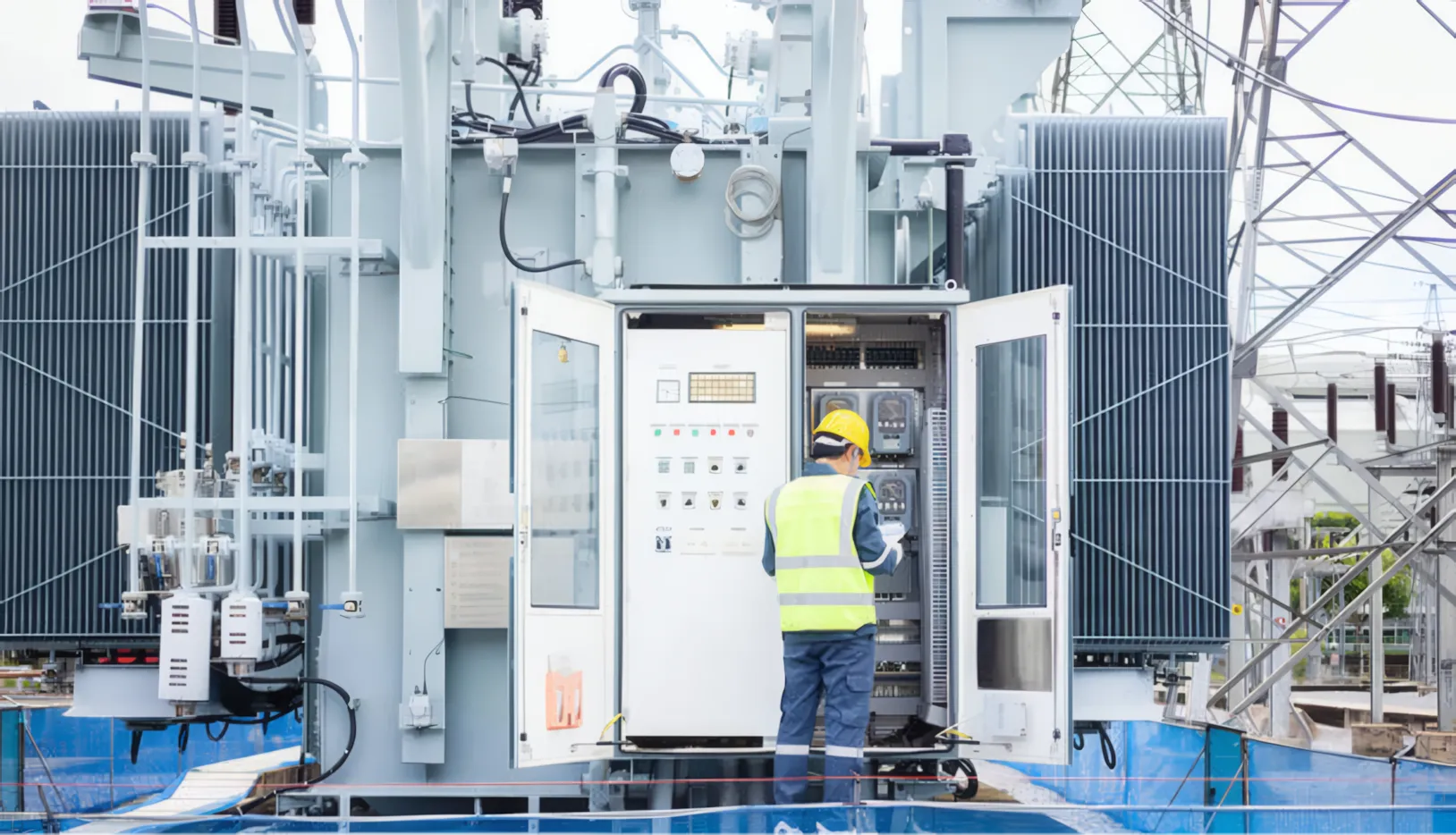
The right mix is almost always electronic monitoring, aerial surveillance and mobile patrol response working together — not a fixed guard presence at every remote site. Which combination depends on your network's footprint, risk profile and compliance obligations.
01
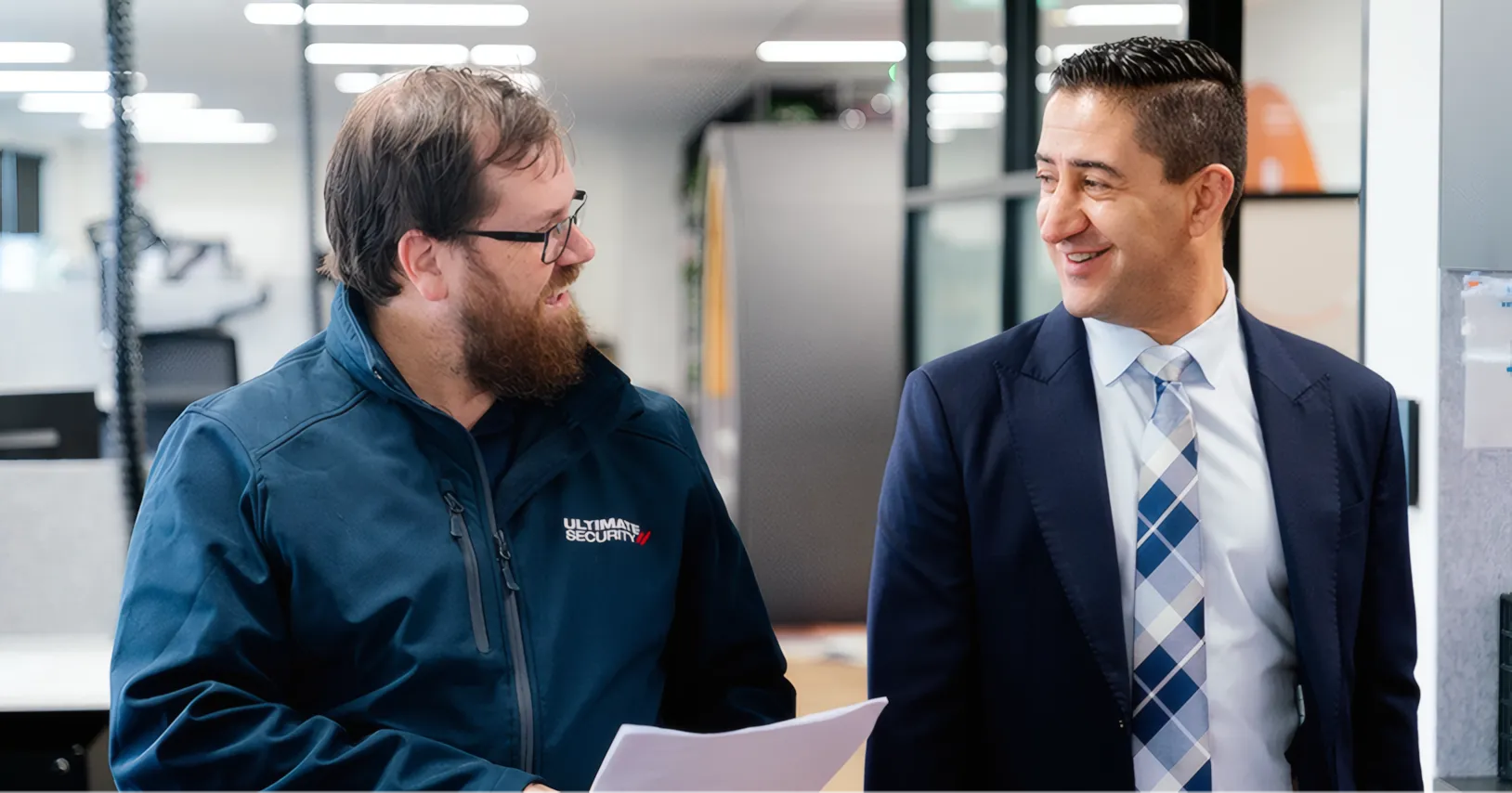
Before we recommend anything, we assess how your network actually operates — site footprint, past incidents, access patterns, compliance obligations — so the plan fits your operation, not the other way around
02
Across a remote or unstaffed site network, a security officer's most valuable skill is often verification and reporting — confirming exactly what happened, fast, in a way that holds up for compliance and insurance purposes. Officers and mobile patrols deployed to our utilities sites are trained specifically for critical infrastructure environments, including:
- Rapid, verified response to remote-site alarms, with clear evidence capture for compliance and incident reporting
- Recognising the specific signs of metal theft and equipment tampering, not just general intrusion
- Coordinated patrol scheduling across a dispersed network, rather than ad hoc site visits
- Working within the access and safety protocols specific to live critical infrastructure sites
This is what separates a security presence from a critical infrastructure response officer who understands what a compliant, defensible response actually looks like.
Patrols are sized to network footprint and risk tiering, not a fixed guard-per-site model — covering high-risk sites more frequently without a fixed cost that doesn't reflect actual risk distribution.

03
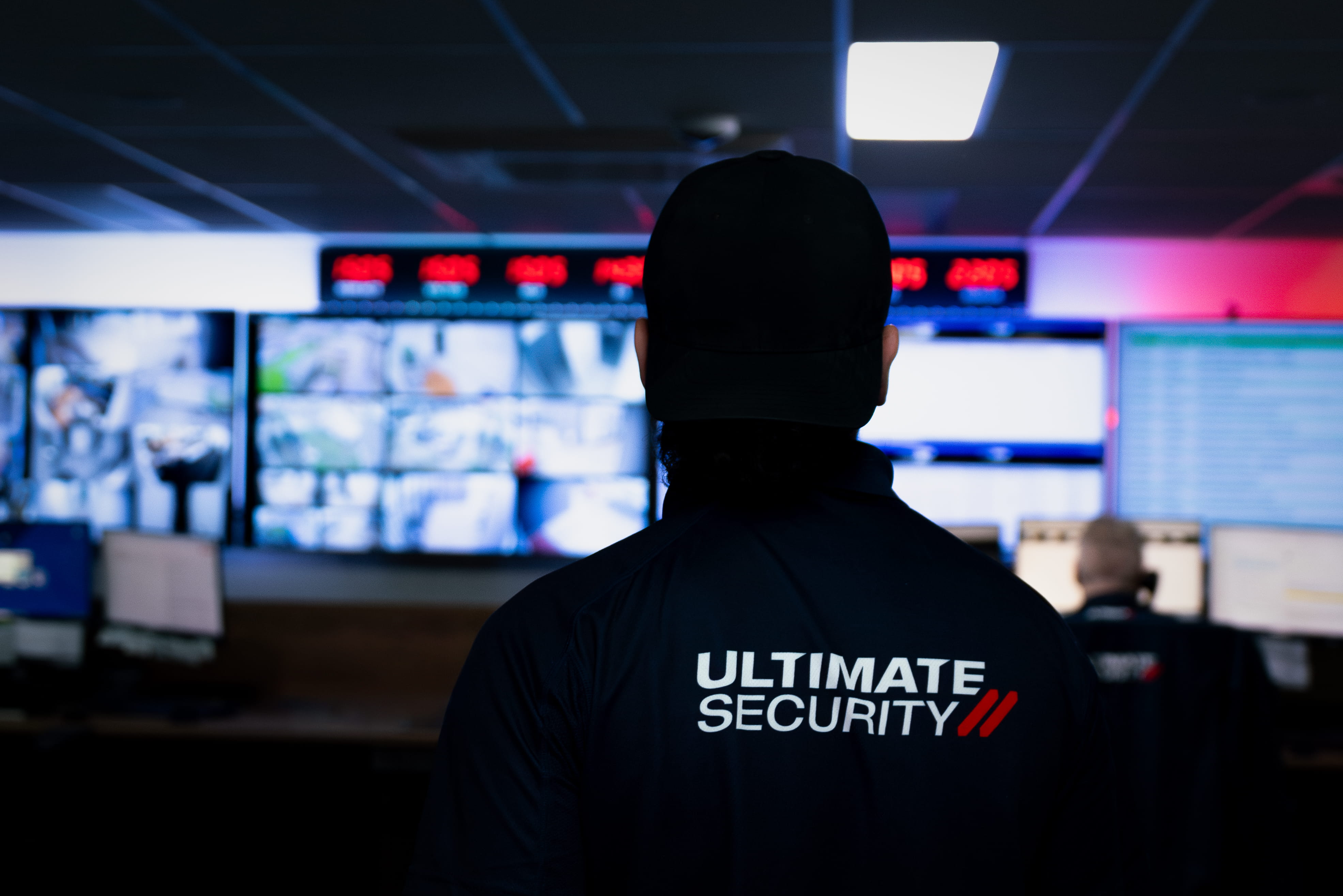
CCTV, perimeter detection and alarms are only as strong as what's watching them. Every alert from your network is monitored through Ultimate's two nationally certified Grade A1 monitoring centres — the highest monitoring centre accreditation available in Australia — rather than a single control room. For an unstaffed or remote site, that matters in specific ways:
- Genuine redundancy — critical when there's no one on-site to notice a monitoring gap. If one centre is affecte d by an outage or local incident, the second takes over without a gap in coverage.
- Faster response under load — a weather event or coordinated theft attempt across several sites at once doesn't queue behind a single control room.
- One national standard — every site in a dispersed network is held to the same accredited standard, supporting consistent compliance reporting.
- True 24/7 coverage — unstaffed sites are monitored continuously, not on a scheduled-visit basis.
For an unstaffed site, that redundancy is the difference between an intrusion being caught in real time and one going unnoticed until the next scheduled visit.
CCTV, perimeter detection and alarms work as one system through this monitoring backbone, so a gap at one site doesn't rely on someone noticing it at another.
Some utilities sites are exploring outdoor patrol robots for large yards and perimeters where consistent overnight coverage is hard to staff and fixed cameras alone leave blind spots — a proven approach at other large-footprint sites.

01
Understand the network before discussing technology — site footprint, risk, compliance obligations, budget and timelines.
02
Bring operations, compliance, risk and budget into agreement on what's realistic across a dispersed network.
03
Build the right-fit solution — not the biggest one — combining people, technology, AI, robotics, process and reporting as needed.
04
Turn the plan into practical outcomes: implementation, adoption, governance and compliance reporting, with minimal disruption to operations.
05
Keep reviewing performance, incident trends and compliance requirements so the solution stays fit for purpose as the network and regulations change.
Can't find what you're looking for? Contact our team to discuss your specific site and compliance requirements.
Security doesn't stop at go-live. We continue reviewing incident data, theft and intrusion trends, compliance requirements and technology fit as your network, risk profile and regulatory obligations change — so the plan stays right for where your organisation is now, not where it was when we started.
Talk to our team about what's actually happening across your sites — no obligation, no generic proposal.

.svg)