%201.png)
Industries / Healthcare & Aged Care
Resident and patient safety, staff duress and after-hours access don't stop when a shift changes or a facility runs at capacity. We identify the root causes of security vulnerabilities across your site, then design practical solutions that protect people and operations without adding unnecessary complexity. Ultimate has operated nationally for 30+ years, runs dual Grade A1 monitoring centres, and is an approved supplier on the NSW Government and ACT Government security services panels - giving public healthcare and government-run facilities in those states a pre-vetted, shorter procurement pathway.
Most healthcare and aged care security challenges fall into six categories: staff and resident safety, unauthorised access, medication and asset security, visitor and family access, compliance and reporting obligations, and disconnected security systems that limit visibility and response.

Eighty-eight per cent of nurses, midwives and carers report experiencing or witnessing violence or aggression at work. Duress response has to be immediate, not theoretical.

Wards, plant rooms, loading docks and grounds all need different levels of access — a facility that's easy to navigate for patients and families can also be easy to move through unnoticed.

Medication rooms, pharmacy stock and clinical equipment are high-value, tightly regulated areas that need controlled access and a clear audit trail, not just a locked door.

Visitor volumes are high and constantly changing, particularly around maternity, paediatric and memory care areas, where controlled access and clear identification matter most.

Aged care providers are assessed against the Aged Care Quality Standards, including Standard 4's safe-environment requirements. Security has to produce evidence, not just presence.

Different access control, alarm and monitoring systems across wards, campuses or facilities make risk harder to see clearly, and harder to respond to consistently.
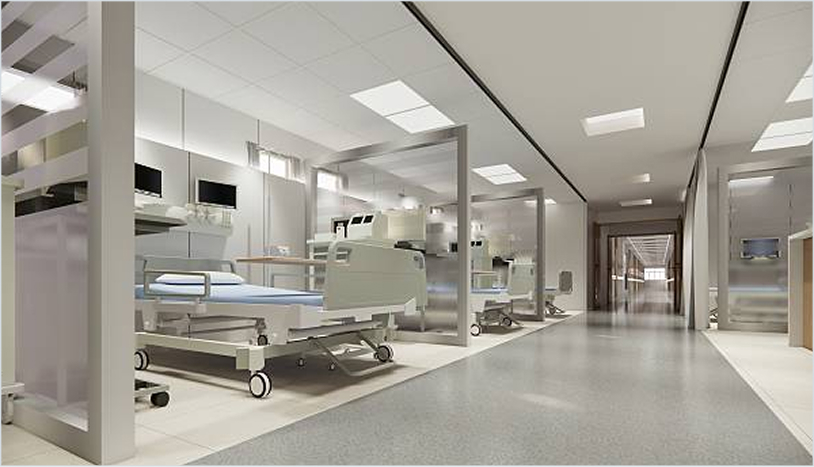
Most security failures are not caused by a single breach. They develop when duress and access control processes struggle to keep pace with shift changes and visitor volume, care areas carry different risk levels without a consistent standard, and security systems operate in isolation rather than as part of a coordinated strategy. Over time, these vulnerabilities create opportunities for unauthorised access, resident or staff harm, and compliance gaps, often without being detected until after the impact has occurred.
Most facilities can't pause resident care or clinical operations to fix security, and can't justify replacing infrastructure that still works. Any change has to satisfy clinical staff, operations, compliance and often family or resident expectations at the same time, without disrupting care or adding headcount there's no budget for.
.jpg)
The right mix is almost always security officers, electronic monitoring and duress response working together — not one instead of the other. Which combination, and how much of each, depends on your facility's risk, layout and resident or patient profile.
01
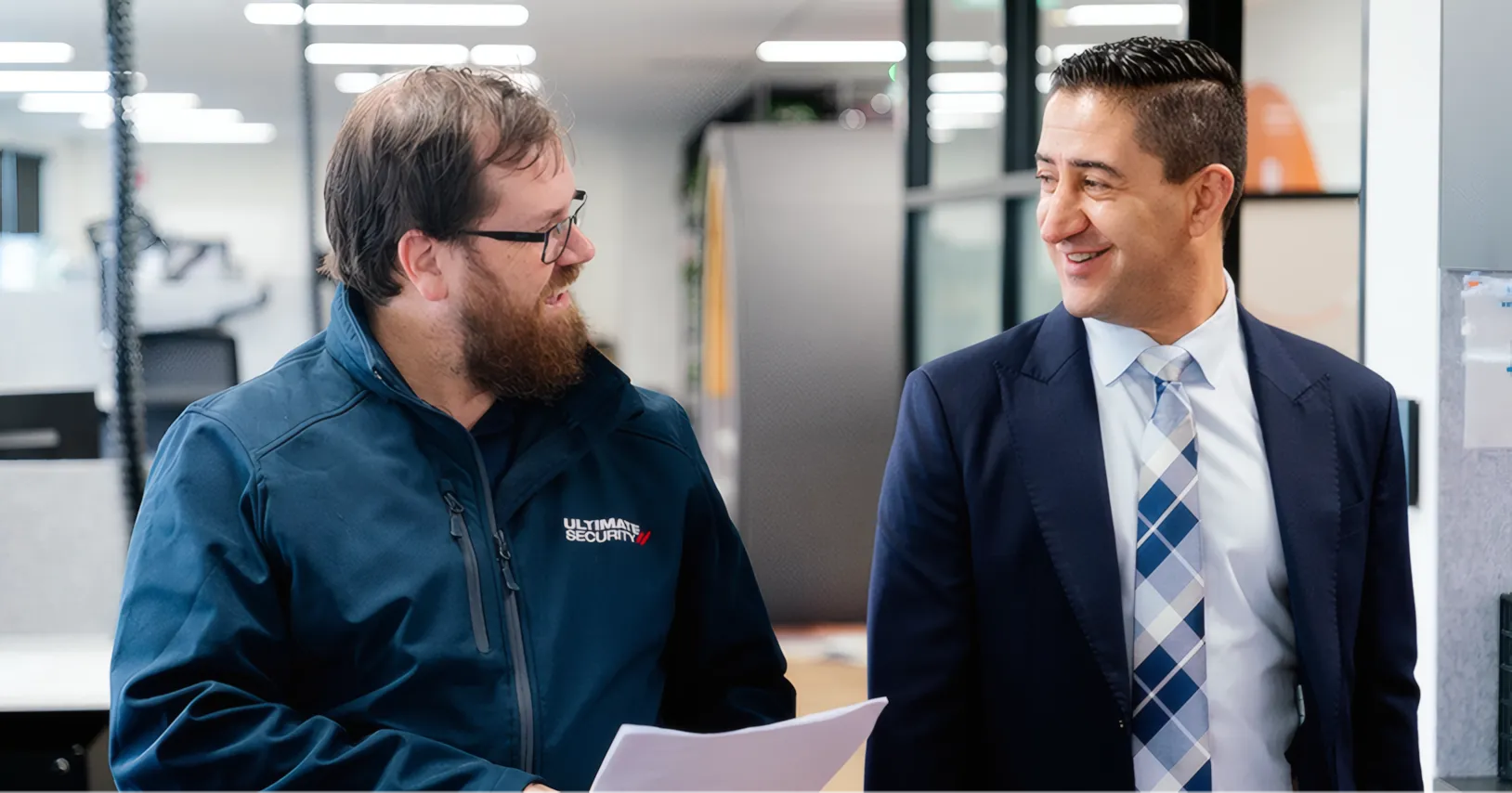
Before we recommend anything, we assess how your facility actually operates — ward layout, visitor flow, shift patterns, past incidents — so the plan fits clinical operations, not the other way around.
02
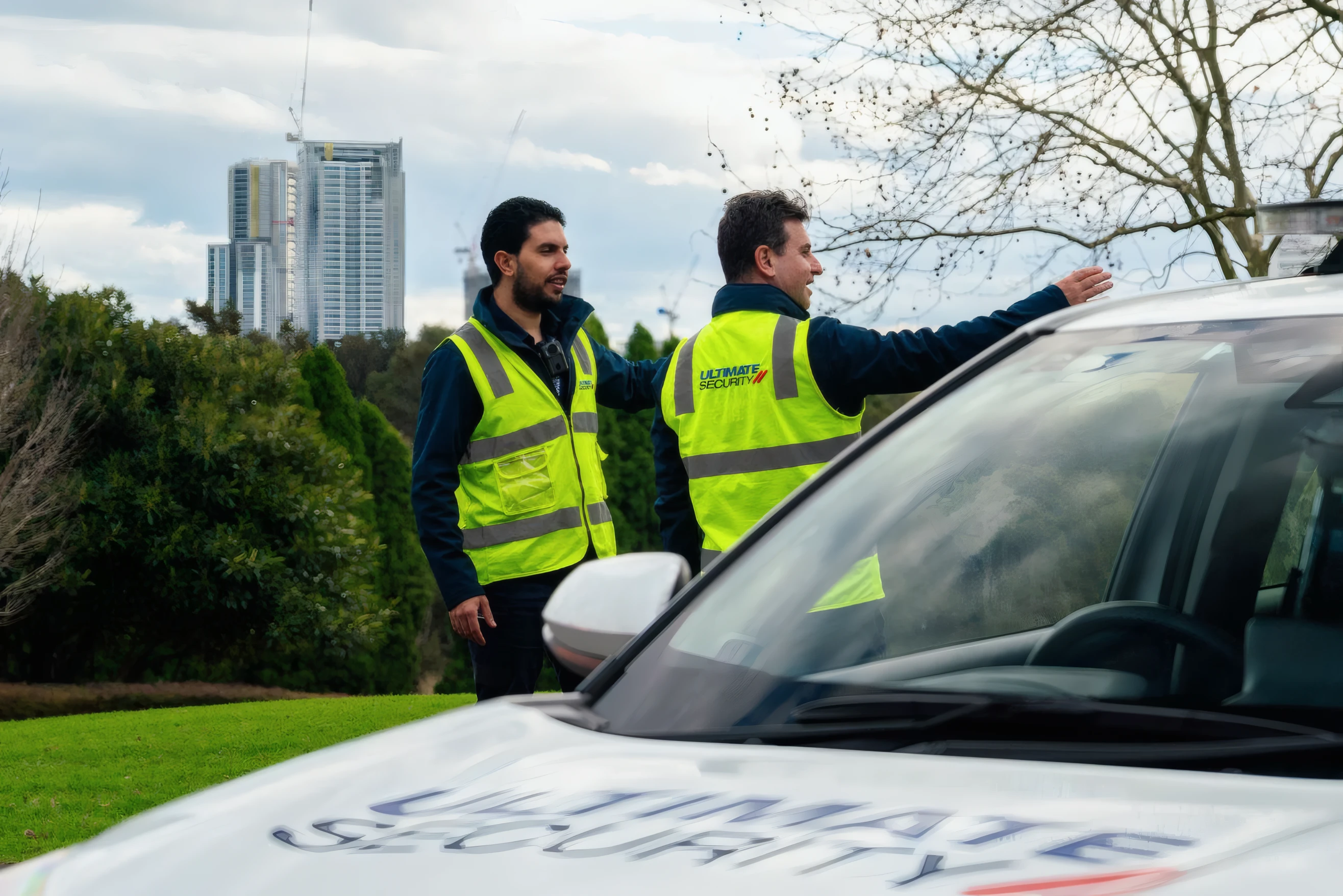
In a healthcare or aged care setting, a security officer's most valuable skill often isn't presence — it's judgement. Officers deployed to our healthcare and aged care sites are trained specifically for clinical and care environments, including:
- Identifying aggressive body language and early warning signs before an incident escalates
- Open, inclusive communication with patients, residents, families and staff from different backgrounds and needs
- De-escalation techniques that resolve incidents calmly, without unnecessary force or confrontation
Officers and mobile patrols are also sized to your facility's risk and hours, covering entry points, grounds and after-hours rounds without adding a fixed cost that doesn't flex with occupancy.
.jpg)
03
CCTV, access control and duress alarms are only as strong as what's watching them. Every alarm from your facility is monitored through Ultimate's two nationally certified Grade A1 monitoring centres — the highest monitoring centre accreditation available in Australia — rather than a single control room. For a healthcare or aged care facility, that matters in specific ways:
- Genuine redundancy — if one centre is affected by a power outage, network fault or local incident, the second centre takes over monitoring without a gap in coverage. A duress or medical alarm can't wait for a system to come back online.
- Faster response under load — alarms are distributed across two centres, so a facility-wide incident or several simultaneous alerts don't queue behind each other.
- One national standard — whether you operate a single facility or a network of hospitals and aged care sites, every alarm is handled to the same accredited standard, not a different local arrangement per site.
- True 24/7 coverage — monitoring doesn't depend on one site's rostering, shift handovers or after-hours staffing.
For a healthcare or aged care facility, that redundancy isn't a technical detail — it's the difference between a duress alarm being answered in seconds and one waiting on a system with a single point of failure.
CCTV, access control and duress alarms work as one system through this monitoring backbone, so a gap in one area doesn't rely on someone noticing it in another.
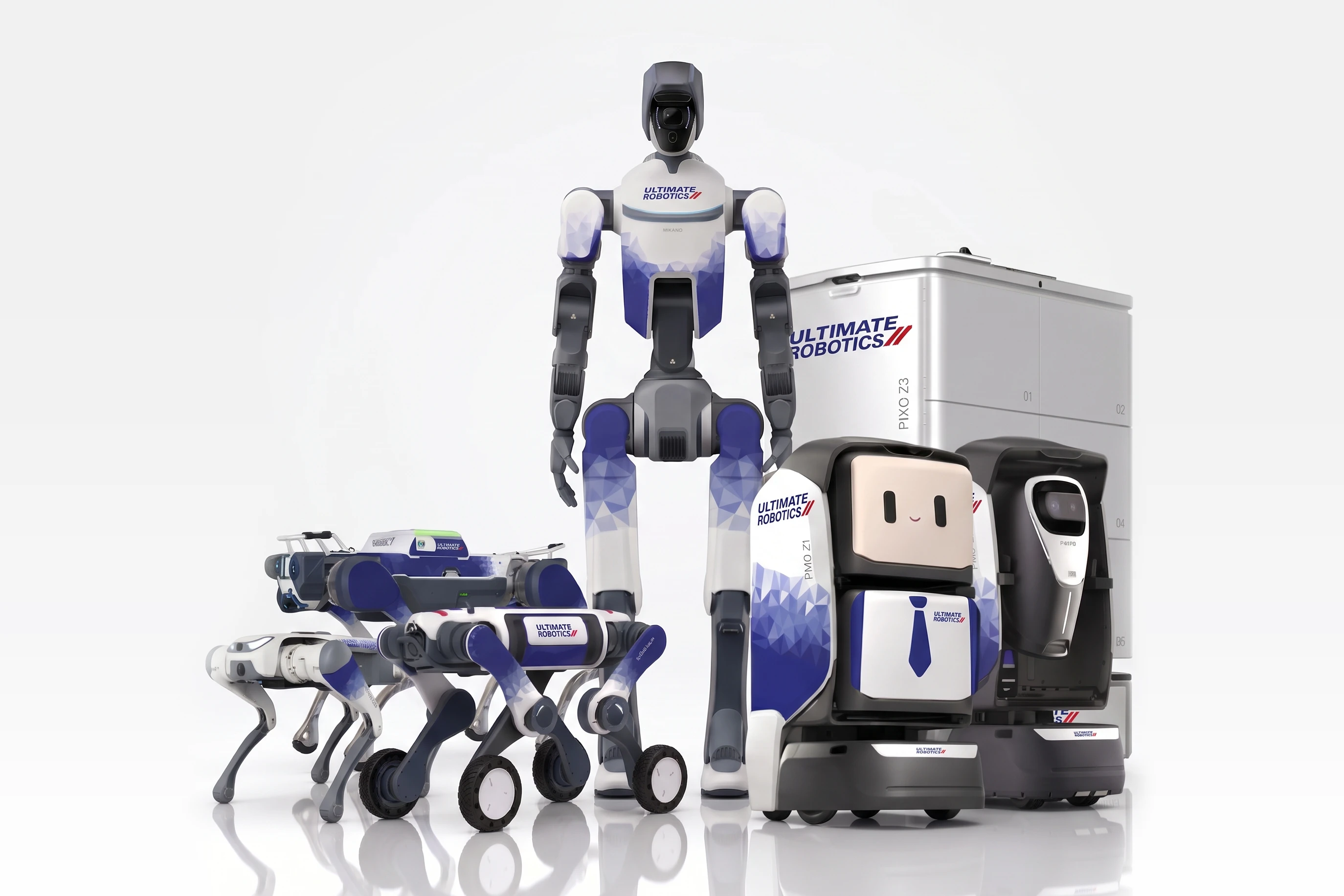
Some healthcare and aged care sites are exploring indoor delivery and patrol robots to take on repeatable tasks — medication and specimen runs, after-hours corridor and plant-room checks — freeing clinical and security staff for the work only people can do. Outdoor grounds robots are also being trialled for large campus perimeters where consistent overnight coverage is hard to staff.
01
Understand the facility before discussing technology — clinical operations, risk, people, compliance, budget and timelines.
02
Bring clinical leadership, operations, compliance, risk and budget into agreement on what's realistic.
03
Build the right-fit solution — not the biggest one — combining people, technology, AI, robotics, process and training as needed.
04
Turn the plan into practical outcomes: implementation, adoption, governance and change management, with minimal disruption to care.
05
Keep reviewing performance, ROI and effectiveness so the solution stays fit for purpose as the facility and regulations change.
Can't find what you're looking for? Contact our team to discuss your specific site and compliance requirements.
Security doesn't stop at go-live. We continue reviewing performance, incident and duress data, compliance requirements and technology fit as your facility, resident mix and regulations change — so the plan stays right for where your organisation is now, not where it was when we started.
Talk to our team about what's actually happening across your sites — no obligation, no generic proposal.

.svg)