%201.png)
Industries / Retail
Customer and staff safety, theft prevention, asset protection and after-hours vulnerabilities are constant considerations across the retail environment. We identify the root causes of security risks across your stores and retail network, then design integrated, practical solutions that protect people, assets and operations while supporting a seamless customer experience.
Most retail security challenges fall into six categories: customer and staff safety, theft and loss prevention, unauthorised access, high-traffic and public areas, after-hours vulnerability, and inconsistent security across multiple stores or locations.

Retail environments are open to the public, which means security teams have to manage unpredictable behaviour, aggressive incidents and staff safety without creating an environment that feels hostile to customers.

Shoplifting, internal theft and organised retail crime can create significant financial and operational impact. Security needs to identify suspicious behaviour early, support investigations and help prevent repeat incidents rather than simply respond after stock has been lost.

Back-of-house areas, stockrooms, offices, staff entrances and restricted operational areas require a different level of control from customer-facing spaces. Poorly managed access can create opportunities for theft, intrusion and internal security breache

Retail stores and shopping centres experience constantly changing customer volumes, peak trading periods, deliveries and staff movements. Security measures need to work within that flow rather than create unnecessary friction for customers or employees.

When stores close and customer traffic drops, visibility and supervision are reduced while valuable stock, equipment and premises remain exposed to break-ins, vandalism and unauthorised access.
.svg)
A different security provider, process or technology at every store makes risk harder to identify across a retail network and harder for management to monitor, report and respond to consistently.
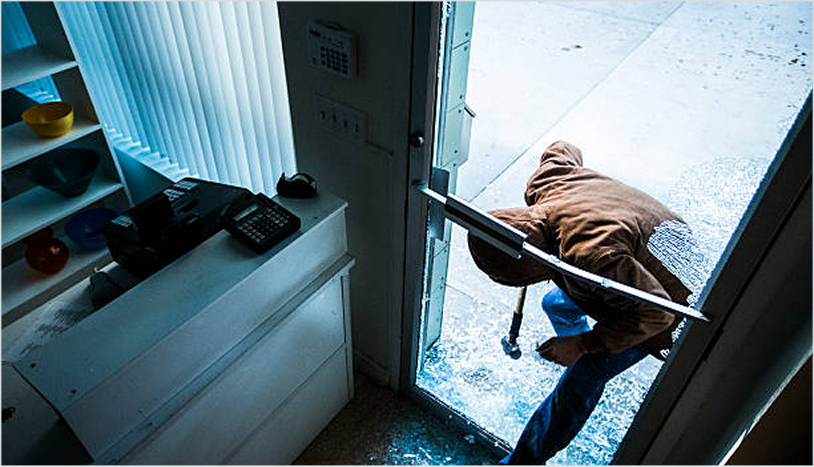
Most retail security failures are not caused by a single dramatic incident. They develop when customer-facing areas, staff access and back-of-house operations are managed separately, when CCTV and access systems operate without a coordinated response, and when loss prevention relies on reacting to incidents rather than identifying patterns early.
Any security change has to work alongside trading hours, customer experience, staff requirements, deliveries, stock movement and existing infrastructure. For retailers operating across multiple locations, the challenge becomes even greater: security needs to be consistent enough to manage risk nationally while still adapting to the layout, trading patterns and risk profile of each individual site.
.jpg)
The right mix is almost always security personnel, electronic security, monitoring and loss prevention processes working together — not one instead of the other. Which combination, and how much of each, depends on your store layout, customer traffic, operating hours, stock profile, incident history and whether you operate a single location or a larger retail network.
01
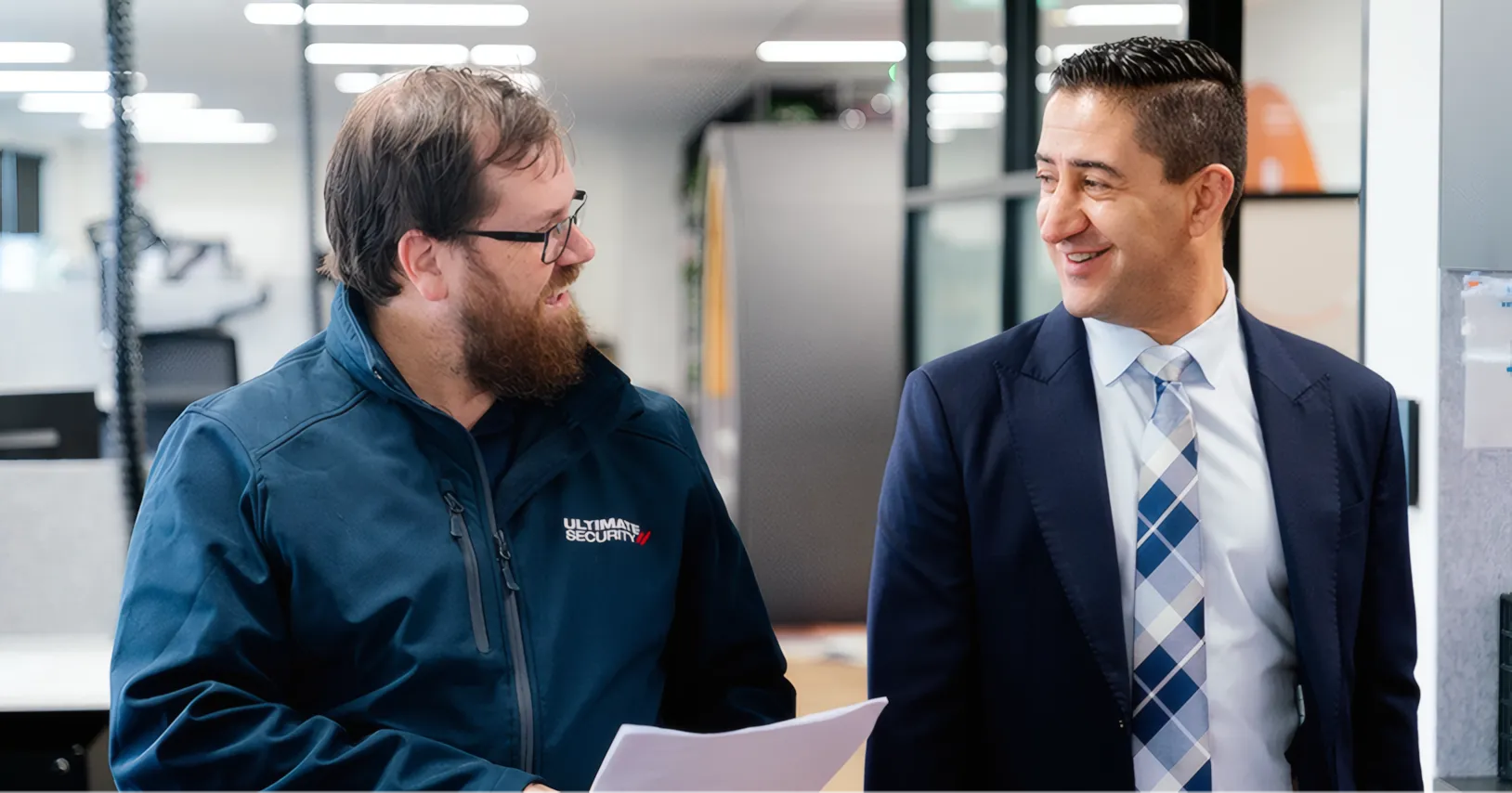
Before recommending a security system or service, we assess how your retail environment actually operates — customer flow, staff movement, stock movement, access points, trading hours, previous incidents and existing security infrastructure. The objective is to build a security strategy around how the store operates, not force retail operations to work around a security system.
02
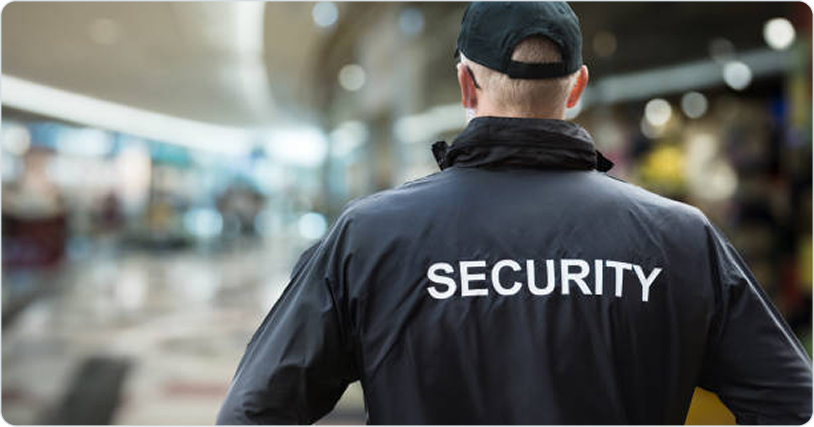
In retail, a security officer's value isn't simply their presence. It's their ability to deter, observe, communicate and respond while maintaining a professional environment for customers and staff.
Depending on the environment, officers can support:
- Visible deterrence against theft and antisocial behaviour
- Customer and staff safety
- Access control and restricted-area management
- Shoplifting and loss prevention
- Incident response and escalation
- Opening and closing procedures
- After-hours security and patrols
Mobile patrols can provide additional coverage around stores, shopping centres, car parks and other areas where a permanent security presence may not be necessary.
.jpg)
03
CCTV, access control and alarm systems are only effective when they form part of a coordinated security strategy.
Ultimate's electronic security capabilities combine CCTV surveillance, video analytics, alarm monitoring and access control to provide retailers with greater visibility and faster identification of security events.
For retail environments, this can provide:
- Improved visibility across customer and back-of-house areas
- Video analytics for loss prevention
- Real-time alerts and event detection
- Access management for restricted areas
- Multi-site visibility and reporting
- Alarm monitoring and response
- Evidence to support incident investigation
The objective isn't simply to record what happened. It's to help identify risks earlier, improve situational awareness and support a faster, more informed response.
AI-powered video analytics can help retailers identify patterns and exceptions across stores, including people counting, product interaction, direction of travel, heat mapping and persons of interest. These capabilities can support both security and operational decision-making
01
Understand the retail environment before discussing technology — store operations, customer flow, staff movement, stock, access points, incident history, risk and existing infrastructure.
02
Bring security, operations, loss prevention and management into agreement on what the business actually needs.
03
Develop a practical, phased security strategy that fits trading hours, existing infrastructure, budgets and the risk profile of each location.
04
Implement the solution with operational care, minimising disruption to customers, staff and day-to-day retail activity.
05
Measure performance against agreed objectives, using incident data, reporting, response performance and security outcomes.
Can't find what you're looking for? Contact our team to discuss your specific site and compliance requirements.
Security doesn't stop at go-live. We continue reviewing incident data, loss prevention performance and technology fit as your stores, trading patterns and risk profile change — so the plan stays right for where your retail business is now, not where it was when we started.
Talk to our team about what's actually happening across your sites — no obligation, no generic proposal.
.svg)