%201.png)
Industries / Centres
Staff and visitor safety, high foot traffic and after-hours access don't stop when the working day ends. We identify the root causes of security vulnerabilities across your centre, then design practical solutions that protect people, premises and operations without adding unnecessary complexity.
Most centre security challenges fall into six categories: staff and visitor safety, unauthorised access, high-traffic public areas, after-hours vulnerability, shared operational spaces, and inconsistent security across multiple locations.

Centres bring together employees, customers, members, contractors and visitors throughout the day. Security needs to manage unpredictable behaviour, incidents and personal safety risks while maintaining a professional and welcoming environment.

Not every part of a centre should have the same level of access. Offices, staff areas, plant rooms, storage spaces and other restricted zones need controlled entry without creating unnecessary barriers for legitimate users.

Reception areas, entrances, waiting areas, corridors, car parks and shared spaces can experience significant changes in activity throughout the day. Security needs to adapt to these patterns and maintain visibility where people and activity are concentrated.

When customer and staff activity drops, visibility can fall with it. Empty premises, restricted areas and unattended equipment can become more vulnerable to intrusion, vandalism and other security incidents outside normal operating hours.

Many centres have areas used by different groups — staff, tenants, contractors, visitors and service providers. Without clear access procedures and accountability, these shared spaces can create gaps in security.
For organisations operating multiple centres or branches, different security providers, systems or procedures at each location make risks harder to identify and manage consistently across the network.
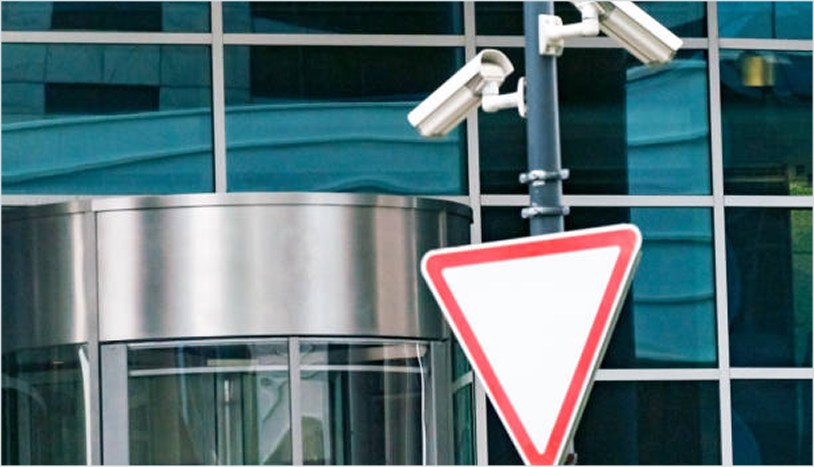
Most security failures are not caused by a single dramatic breach. They develop when visitor and staff access is managed separately, public and restricted areas don't have clearly defined security boundaries, and CCTV, access control and alarms operate without a coordinated response. They can also develop during the transitions that happen throughout a centre's day — opening, peak activity, staff changes, deliveries, contractor visits and closing. Over time, these gaps create opportunities for unauthorised access, theft, vandalism, aggressive behaviour and delayed incident response, often without becoming visible until an incident exposes the weakness.
Centres need to remain accessible and operational. You can't simply restrict movement every time a security concern appears, and increasing security presence everywhere isn't necessarily the right answer. Any security change has to work around staff, visitors, members, tenants, contractors and day-to-day operations without creating unnecessary friction.
.jpg)
The right mix is almost always security personnel, access control, electronic monitoring and responsive security services working together — not one instead of the other. Which combination, and how much of each, depends on your centre's layout, operating hours, visitor profile, access requirements, incident history and whether you manage a single site or multiple locations.
01
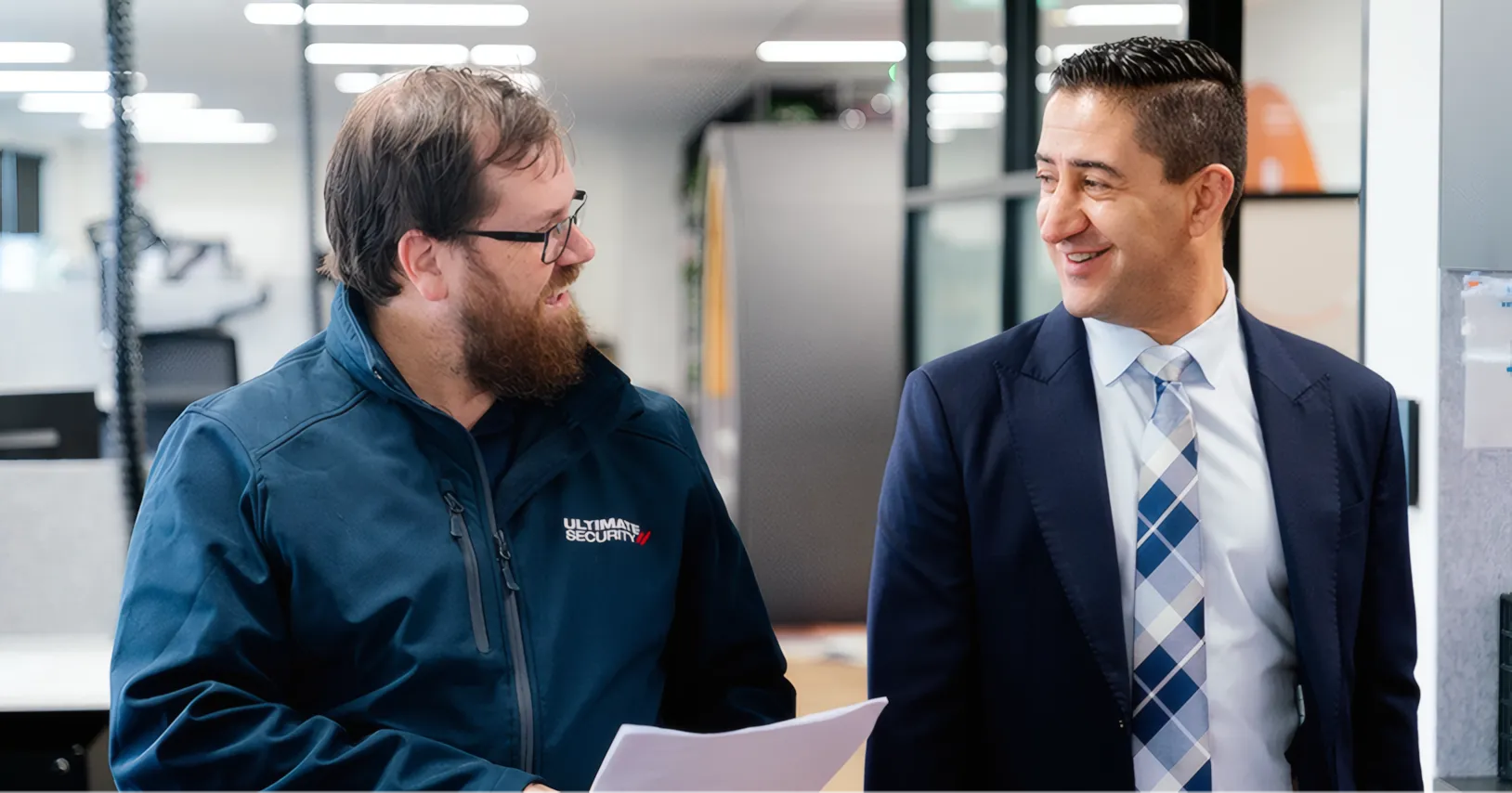
Before recommending a security system or service, we assess how your centre actually operates — visitor flow, staff movement, access points, operating hours, shared areas, previous incidents and existing security infrastructure. This gives us a clearer understanding of where vulnerabilities develop and what needs to change, rather than introducing technology or security personnel without understanding the underlying risk.
02
In a centre environment, security officers need to provide more than a visible presence. They need to interact professionally with staff and visitors, identify emerging risks, manage access and respond appropriately when incidents occur.
Depending on the environment, officers can support
- Staff and visitor safety
- Front-of-house and concierge security
- Access control
- Visitor management
- Incident response
- Restricted-area protection
- Opening and closing procedures
- After-hours security
- Contractor and service-provider access
Mobile patrols can provide additional coverage where a permanent security presence isn't required, including after-hours inspections and response across larger or multiple sites.
Ultimate's guard services can also incorporate centralised rostering and 24/7 operational support, helping services scale as requirements change.
.jpg)
03
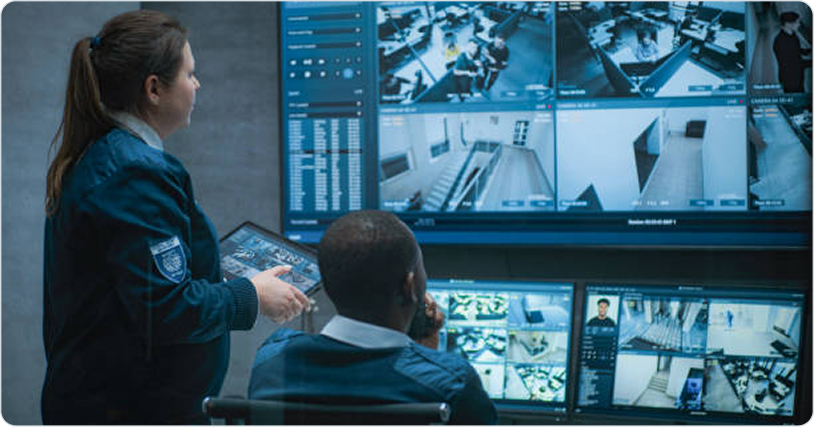
CCTV, access control and alarm systems are most effective when they work as part of a coordinated security strategy.
Ultimate can integrate CCTV, access control, security alarms and monitoring to provide greater visibility across your centre and help identify and respond to security events.
For centre environments, this can provide:
- CCTV surveillance across key areas
- Controlled access to restricted spaces
- Real-time monitoring and alerts
- Alarm detection and response
- Access event reporting
- Integration between CCTV, alarms and access control
- Centralised visibility across multiple locations
Access control can also provide tailored permissions, real-time event monitoring and reporting, while integrating with CCTV and alarm systems to create a more connected security environment.
AI-driven analytics and intelligent monitoring can help identify activity, anomalies and potential threats in real time, providing security teams with better information to determine where attention is required.
01
Develop a practical, phased security plan that fits your operating environment, existing infrastructure, budget and future requirements.
02
Bring management, operations, facilities and security stakeholders into agreement on the risks that matter and what a practical security strategy needs to achieve.
03
Develop a practical, phased security plan that fits your operating environment, existing infrastructure, budget and future requirements.
04
Implement the solution with operational care, minimising disruption to staff, visitors, members, tenants and day-to-day activities.
05
Measure performance against agreed objectives through incident reporting, response performance, system visibility and operational outcomes.
Can't find what you're looking for? Contact our team to discuss your specific site and compliance requirements.
Security doesn't stop at go-live. We continue reviewing incident data, response performance, operational changes and technology fit as your centre, activity patterns and risk profile change — so the plan stays right for where your business is now, not where it was when we started.
Talk to our team about what's actually happening across your sites — no obligation, no generic proposal.

.svg)